Historic coast planner
Historic Atlantic Florida: St. Augustine, Amelia Island, and Palm Beach
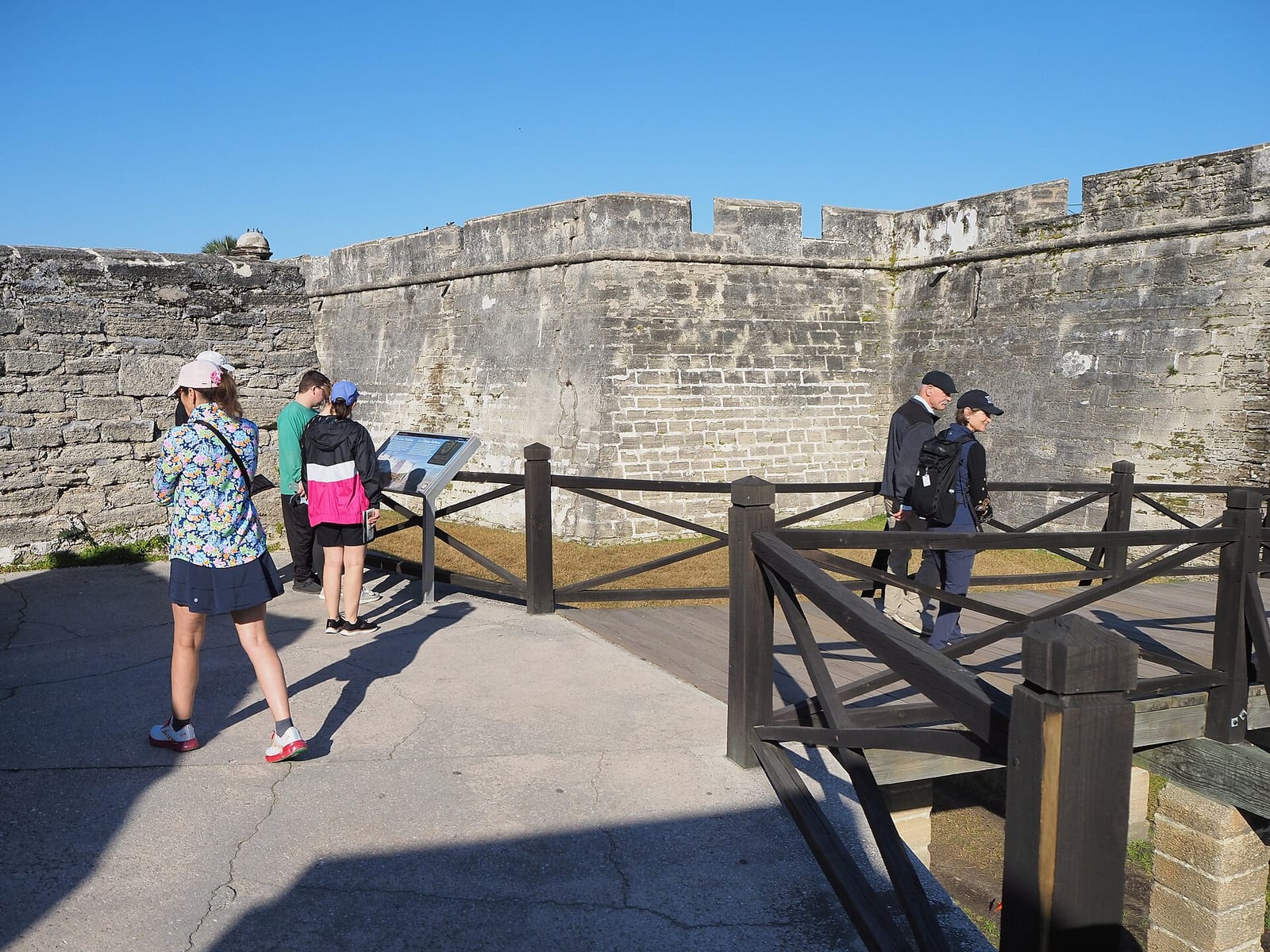
Pick the region by the history you want. In the north, base in St. Augustine's historic district at Casa Monica and walk to the Castillo de San Marcos, the Lightner Museum, and Flagler College; add quiet Amelia Island just up the coast for Fort Clinch and a small-town beach. In the south, base in Palm Beach near Worth Avenue at The Breakers, tour Henry Flagler's Whitehall mansion, and drop down to Fort Lauderdale for the Bonnet House and the museums with an oceanfront stay at the W. Don't try to do both ends in a short trip — they're hours apart. If you want beach time too, the south stays warmer for swimming, while the north is about walking a 450-year-old city.
Plan the next stepBy Florida Guide editorsReviewed against primary and official sourcesHow we review 12 checked placeschecked October 18, 2026
Positioning
Use this guide when
Best for- Travelers who want history and Gilded-Age landmarks alongside the beach.
- Visitors choosing between the northern old city and the southern strip.
- Families pairing forts and museums with Atlantic beach time.
Tradeoffs- The northern base (St. Augustine and Amelia) trades warm-season swimming for the state's deepest history and a walkable old town.
- The southern base (Palm Beach and Fort Lauderdale) trades old-city charm for Gilded-Age mansions, warm water, and city beaches.
- Stringing the whole coast together means hours of driving, so pick a region and go deep.
Pick the region by the history you want. In the north, base in St. Augustine's historic district at Casa Monica and walk to the Castillo de San Marcos, the Lightner Museum, and Flagler College; add quiet Amelia Island just up the coast for Fort Clinch and a small-town beach. In the south, base in Palm Beach near Worth Avenue at The Breakers, tour Henry Flagler's Whitehall mansion, and drop down to Fort Lauderdale for the Bonnet House and the museums with an oceanfront stay at the W. Don't try to do both ends in a short trip — they're hours apart. If you want beach time too, the south stays warmer for swimming, while the north is about walking a 450-year-old city.
Editorial read
The northern old city: St. Augustine and Amelia
Florida's deepest history is walkable from a St. Augustine base.
- The Castillo de San Marcos (about $15 adult as of 2026) is the oldest masonry fort in the continental U.S. and the anchor of the old town.
- The Lightner Museum and Flagler College fill a Gilded-Age afternoon, both a short walk from a historic-district base.
- Amelia Island, just north, adds Fort Clinch State Park's 19th-century fort and a quiet beach town.
- Fort Clinch charges $6 per vehicle for two to eight people, plus $2.50 per person to enter the fort; the fort is open 9am–5pm. At the Lightner Museum, last admission is 4pm and upper floors close at 4:30pm, ahead of the 5pm building closure.
Editorial read
The southern Gilded-Age strip: Palm Beach and Fort Lauderdale
Flagler's mansions and warm-water beaches anchor the south.
- Palm Beach is Gilded-Age Florida — the Flagler Museum's Whitehall mansion (about $28 adult as of 2026), The Breakers, and Worth Avenue in a walkable strip.
- Fort Lauderdale adds the Bonnet House and beach museums with warm-water swimming a short drive south.
- The southern strip stays warmer for beach time than the northern old city, so pair mansions with the sand.
- Flagler Museum normally opens Tuesday–Saturday 10am–5pm and Sunday noon–5pm, with Monday and specified holiday closures; adult admission is $28. Bonnet House is also closed Mondays; self-guided house-and-garden entry is $30, with a different price and advance booking for guided tours.
Partner links
Compare bookable St. Augustine activities
If St. Augustine is the stop chosen above, compare current history walks, cruises, and tickets without treating the marketplace as an official attraction desk.
This is an affiliate link to the third-party GetYourGuide marketplace. If you book after clicking, Florida Guide may earn a commission at no extra cost to you. It is not an official ticket desk, and listings, prices, availability, and terms can change. The editorial guidance above was selected independently of commission.
GetYourGuide marketplace
Explore St. Augustine activities on GetYourGuide
Compare current history walks, cruises, museum tickets, and family activities, availability, and inclusions.
Best for: One guided or ticketed slot after the itinerary is settled.
Third-party GetYourGuide marketplace, not an official ticket desk. Check the operator, meeting point, inclusions, accessibility, and cancellation terms.
See St. Augustine options on GetYourGuideVia GetYourGuide